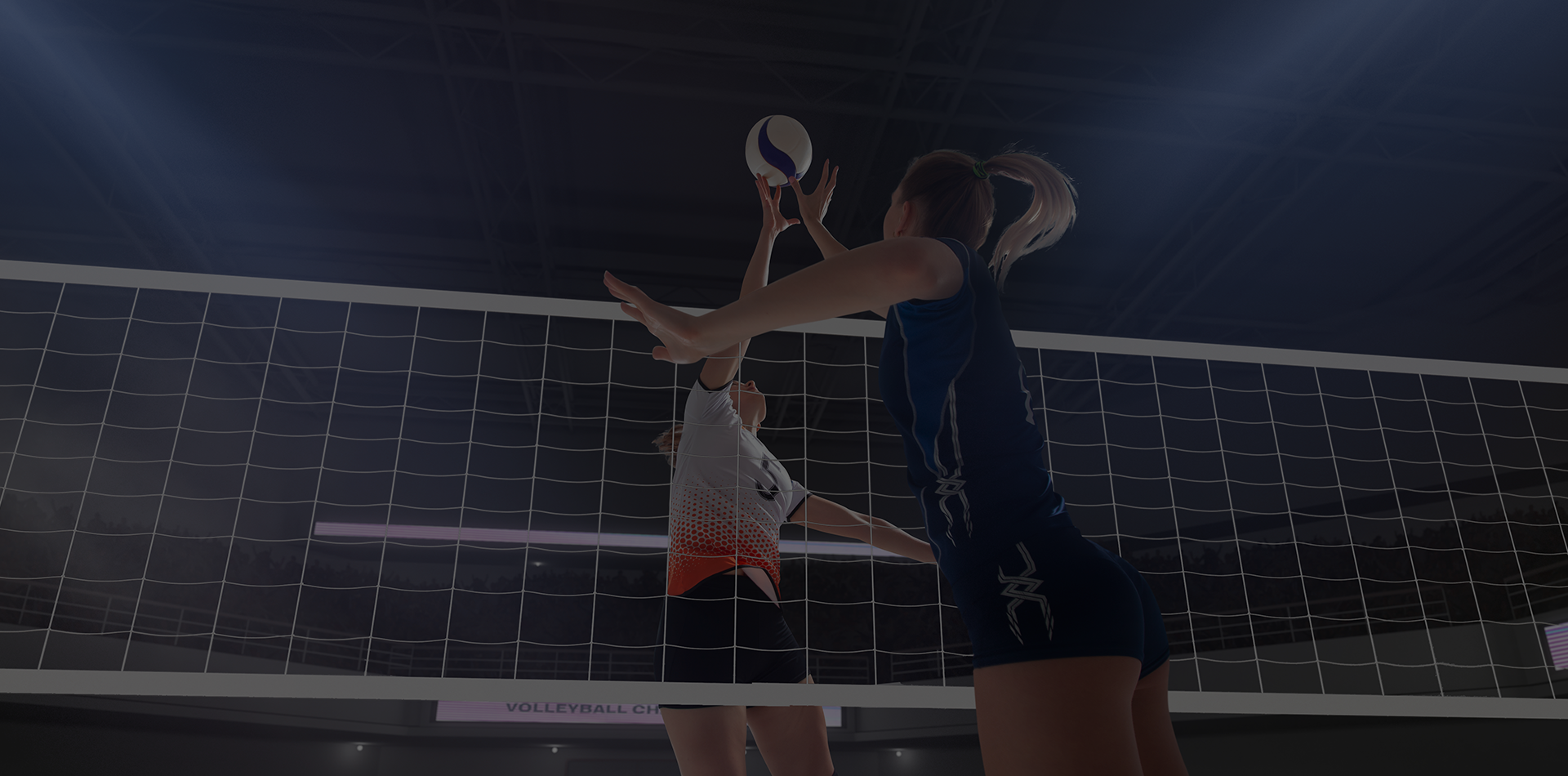
Mastering the art of the perfect gesture
Volleyball demands a unique combination of technical precision and mental clarity, where every rally requires total concentration and the ability to read the game quickly in order to gain the upper hand.
Refining techniques through technical training
To achieve a consistent ball trajectory, you need to master the fundamentals of passing and ensure you are in the correct position before each contact.
The wind-up phase determines the potential power, whilst the strike transforms this energy into speed and accuracy. Analysing technique and positioning helps to optimise the effectiveness of attacks, transforming raw effort into controlled and reproducible actions on the pitch.
- Adopt a stable and balanced stance
- Control the position of your hands as they make contact
- Maintain rhythm and coordination

Choosing the right equipment for performance
Volleyball equipment has evolved to offer greater comfort and performance, enabling players to absorb impacts more effectively and improve their explosiveness. Understanding the characteristics of the equipment helps to optimise performance during matches.

Footwear technology and cushioning
Reinforced soles and lightweight materials enhance vertical bounce and responsiveness during rapid movements.
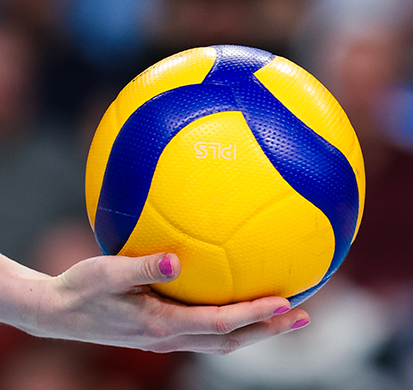
Control and effectiveness of training balls
Approved balls offer a better feel, whilst training models encourage repetition and consistency of movement.
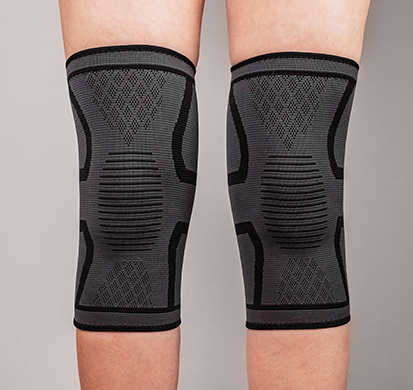
Configuring guards and supports
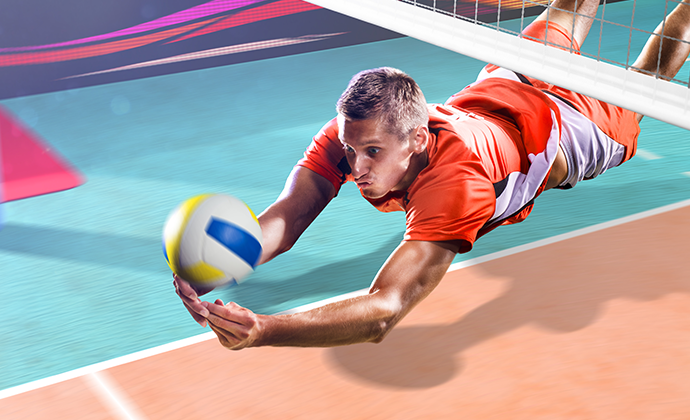
Knee pads and joint supports reduce the impact when landing and enable safer and more effective dives.
Game management and tactical approaches

Analysis of playing patterns
Observing the opposition’s rotations and positioning helps to identify weak areas and direct attacks strategically.

The influence of tempo and pressure
Adapting the pace of play to the dynamics of the match helps to unsettle the opposition and control the exchanges.

Reading Pass Trajectories
Variations in passing and receiving influence the build-up of play, requiring constant adjustments to positioning.

Decision-Making in Defence
Assessing the level of risk in each defensive situation helps to avoid direct errors and maintain the flow of the game.
Physical preparation and athletic fitness
Modern volleyball demands high athletic capacity to prevent injuries and generate explosive power in jumps and attacks. Core strength improves stability in the air, while flexibility training ensures optimal range of motion during spikes, blocks, and receptions. Strength conditioning focuses on explosiveness, allowing players to maintain high intensity throughout an entire match without technical decline.
Cardiovascular endurance plays a subtle but essential role in maintaining focus and decision-making. A fatigued body leads to reduced clarity, making aerobic conditioning crucial for competitive performance.
- Core stability and strength development
- Hamstring and lower-body flexibility routines
- Balance and coordination drills

Targeted mobility exercises
Understanding competitive formats and events
From local tournaments to international competitions, elite volleyball tests a player’s ability to perform under pressure. Different match formats require varying mental approaches, influencing how teams balance aggressive attacking phases with more controlled and structured play to secure victory.
Match structures and scoring systems
Volleyball scoring is based on rally points, meaning every exchange matters. Consistency and error management are essential to maintain control throughout each set.
Head-to-head team matches emphasize collective strategy, where each scoring run can shift momentum and force adjustments between offensive and defensive approaches.
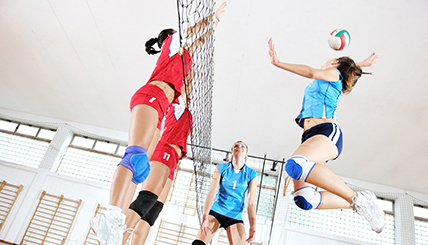
Amateur Tournament Circuits
Local competitions provide a development platform for players, offering balanced matchups through ranking systems that ensure fair competition across different skill levels.

Professional Tour Standards
Elite-level competitions demand high intensity, fast-paced rallies, strong defensive systems, and maximum technical precision, requiring constant focus and strong mental resilience from top athletes.
Advanced visualisation and mental focus
The mental aspect is what sets good players apart from great players. Visualisation techniques allow the brain to rehearse an action before it is carried out, creating a neural pathway that guides the body’s movements and improves decision-making during play.
Consistency in the pre-action routine
Establishing a repeatable routine promotes a stable state of concentration, eliminates distractions and prepares the player to execute each technical movement with precision and confidence.

Managing pressure in competition
Breathing exercises and cognitive restructuring help to control adrenaline surges at decisive moments, keeping the body relaxed and the mind clear to successfully execute important actions such as serves or attacks.